Coffee Shop Equipment List: A Comprehensive Guide
Starting a coffee shop demands careful planning, and a detailed equipment list is crucial for success. This guide outlines everything needed,
from brewing to service!
Essential Coffee Brewing Equipment
The foundation of any thriving coffee shop lies in its brewing capabilities. Investing in high-quality equipment ensures consistent, flavorful coffee that keeps customers returning. This section details the core components needed to craft exceptional beverages.
Prioritizing reliable and efficient brewing tools is paramount. Consider the volume you anticipate serving; this will dictate the size and type of equipment required. A blend of automated and manual options can cater to diverse customer preferences and brewing styles. Don’t underestimate the importance of regular maintenance to prolong the lifespan of your investments and maintain optimal performance.
Beyond the initial purchase, factor in ongoing costs like filters, cleaning solutions, and potential repairs. Thorough research and comparison shopping are essential to secure the best value for your budget. Remember, the quality of your coffee directly impacts customer satisfaction and, ultimately, your bottom line. Selecting the right brewing equipment is a critical step towards building a successful coffee shop.
1.1 Espresso Machines: The Heart of Your Shop
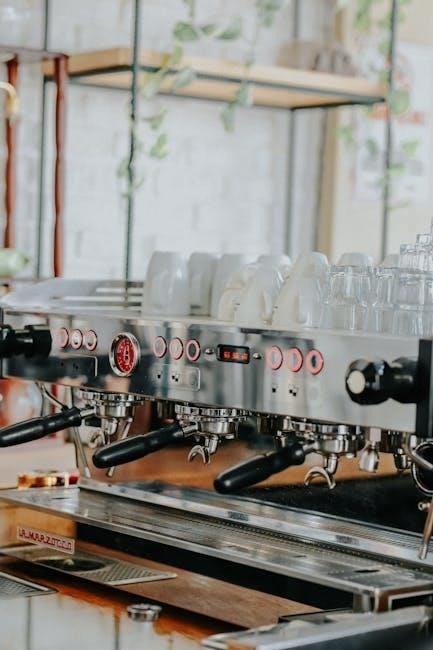
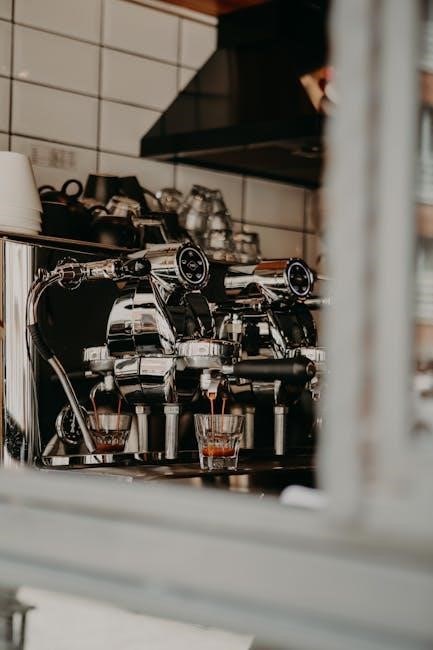
The espresso machine is arguably the most vital piece of equipment in a specialty coffee shop. It’s the cornerstone for crafting lattes, cappuccinos, macchiatos, and, of course, classic espresso shots. Choosing the right machine depends heavily on projected volume and budget.
Options range from semi-automatic, requiring barista skill for precise control, to fully automatic machines offering consistent results with minimal training. Consider features like multi-boiler systems for temperature stability, pre-infusion for enhanced flavor extraction, and automatic milk steaming capabilities.
Invest in a reputable brand known for reliability and service. Factor in the cost of regular maintenance, including descaling and group head cleaning. A high-quality espresso machine isn’t just an expense; it’s an investment in your coffee’s quality and your shop’s reputation. Proper training for baristas is also crucial to maximize the machine’s potential and ensure consistently excellent espresso.
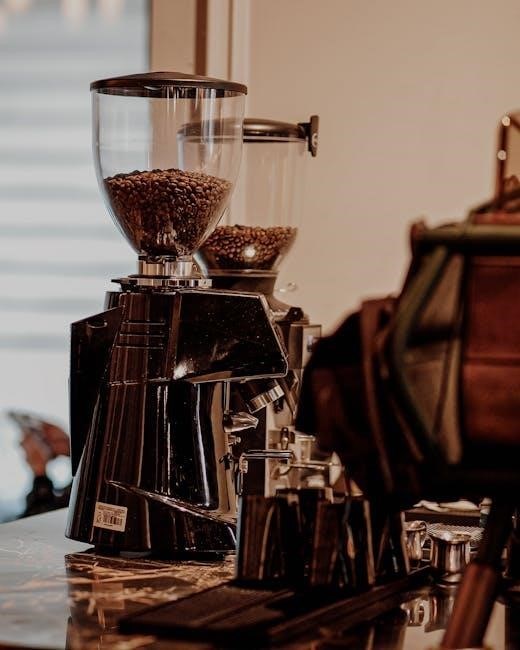
1.2 Coffee Grinders: Achieving the Perfect Grind
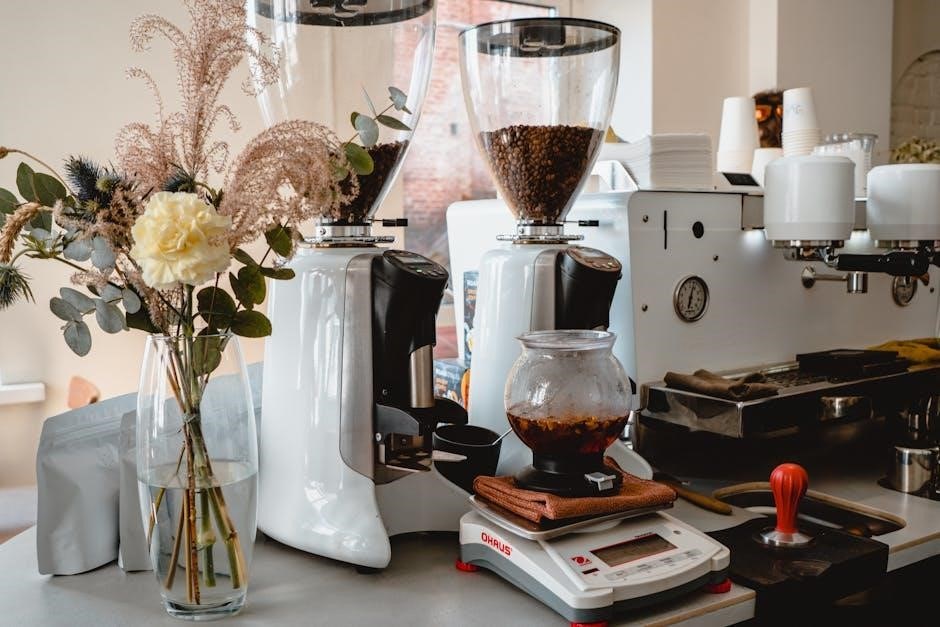
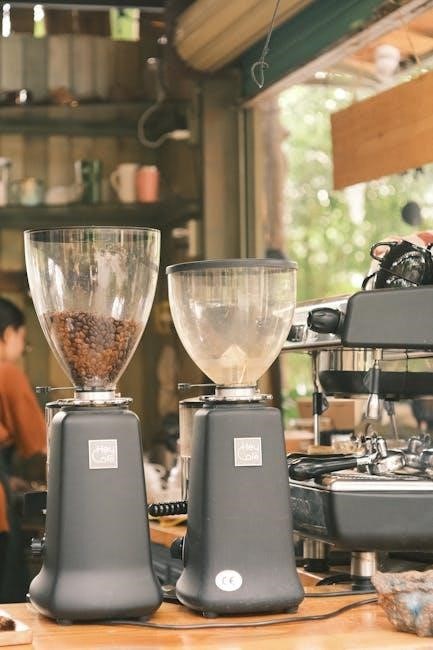
Consistent grind quality is paramount for exceptional coffee. Investing in high-quality coffee grinders is just as important as selecting a great espresso machine or coffee beans. Different brewing methods require different grind sizes – espresso demands a very fine, consistent grind, while drip coffee needs a medium grind.
Burr grinders are preferred over blade grinders, as they crush the beans between two revolving abrasive surfaces, producing a uniform particle size. Blade grinders chop the beans unevenly, leading to inconsistent extraction. Consider purchasing separate grinders for espresso and drip coffee to avoid flavor contamination and ensure optimal grind settings.
Look for grinders with stepless adjustment features for precise control over grind size. Regular cleaning and calibration are essential to maintain performance. A good grinder will significantly enhance the flavor profile of your coffee, making it a worthwhile investment for any serious coffee shop.
1.3 Drip Coffee Brewers: For Batch Brewing Needs
Drip coffee remains a staple for many coffee drinkers, making a reliable drip brewer essential for high-volume service. These brewers are ideal for quickly preparing larger quantities of coffee, catering to customers who prefer a straightforward, classic cup.
When selecting a drip brewer, consider brewing capacity, speed, and ease of cleaning. Commercial-grade brewers often feature multiple warmers to keep large batches at optimal temperature. Look for models with programmable features, allowing you to customize brewing parameters for different coffee blends.
Automatic drip brewers simplify the brewing process, reducing labor costs and ensuring consistency. Regular descaling is crucial to prevent mineral buildup and maintain brewing performance. Pairing a quality drip brewer with freshly ground coffee will deliver a consistently satisfying experience for your customers, boosting sales and loyalty.
1.4 Pour-Over Equipment: Manual Brewing Options
For coffee aficionados and those seeking a more nuanced flavor profile, offering pour-over coffee is a fantastic addition. This manual brewing method allows for greater control over extraction, resulting in a customized and flavorful cup.
Essential pour-over equipment includes drippers (like Hario V60 or Kalita Wave), paper filters, gooseneck kettles for precise water pouring, and a scale for accurate coffee and water measurements. Investing in high-quality filters is vital, as they impact the final taste.
While more labor-intensive, pour-over coffee commands a premium price and attracts a dedicated customer base. Training baristas in proper technique is key to consistency. Consider offering a selection of single-origin beans to showcase the unique characteristics achievable through this brewing method, enhancing your shop’s reputation for quality.
Milk & Beverage Preparation
Beyond coffee, a significant portion of your menu will likely involve milk-based beverages and other blended drinks. Equipping your coffee shop for efficient and consistent beverage preparation is paramount to customer satisfaction and speed of service.
This section focuses on the tools needed to transform simple ingredients into delicious lattes, cappuccinos, smoothies, and more. Proper milk handling and temperature control are crucial for texture and taste. Consider the volume of milk-based drinks you anticipate selling when selecting equipment.
Investing in reliable blenders and milk steaming equipment will significantly improve workflow. Don’t underestimate the importance of having readily available hot water for teas and other hot beverages. Efficient beverage preparation translates directly into increased profitability and a positive customer experience, building loyalty and repeat business.
2.1 Milk Frothers & Steam Wands: Creating Latte Art
The quality of milk texture is fundamental to specialty coffee drinks. Steam wands, integrated into most espresso machines, are the traditional method for frothing milk, allowing baristas to create microfoam essential for latte art and a velvety mouthfeel.
However, automatic milk frothers offer consistency and ease of use, particularly during peak hours. These range from simple handheld frothers to sophisticated machines that heat and froth milk with the touch of a button. Consider both options based on your staffing skill level and anticipated drink volume.
Investing in high-quality steam wands and/or automatic frothers is crucial. Proper maintenance, including regular cleaning, is vital to ensure optimal performance and hygiene. Training staff on proper frothing techniques will elevate your beverage quality and allow for beautiful latte art, enhancing the customer experience and perceived value.
2.2 Blenders: Smoothies, Frappes & More
Expanding your menu beyond coffee necessitates a powerful and reliable blender. Blenders are essential for creating a diverse range of beverages, including smoothies, frappes, iced blended drinks, and even specialty coffee concoctions. Commercial-grade blenders are designed for high-volume use and can handle frozen ingredients with ease.
Consider blender features like variable speed control, pre-programmed cycles, and sound dampening technology. Multiple blenders may be necessary during peak hours to avoid bottlenecks. Different jar sizes and materials (plastic vs. stainless steel) offer versatility for various drink types.
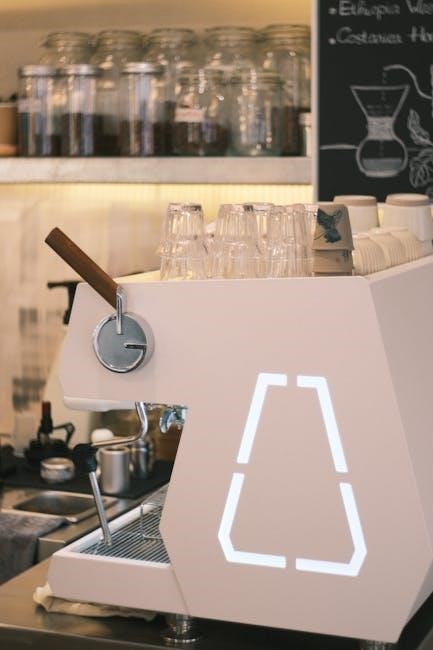
Regular cleaning and maintenance are paramount. Disassembling and thoroughly washing blender components after each use prevents cross-contamination and ensures longevity. Investing in a quality blender is a smart move, broadening your menu appeal and increasing revenue potential. Don’t forget spare parts!
2.3 Hot Water Dispensers: Tea & Other Hot Drinks
While coffee is king, offering a selection of teas and other hot beverages is vital for a comprehensive coffee shop menu. A dedicated hot water dispenser ensures consistent water temperature and quick access for brewing teas, hot chocolate, and Americanos. Look for models with adjustable temperature settings to cater to different tea varieties – green, black, herbal, etc.
Consider features like insulated tanks to maintain water temperature efficiently and large capacity options to minimize refills during busy periods. Some dispensers offer multiple spouts for simultaneous use, speeding up service. Safety features, such as automatic shut-off, are also important.
Regular descaling is crucial to prevent mineral buildup and maintain optimal performance. A reliable hot water dispenser is a small investment that significantly enhances customer satisfaction and expands your beverage offerings. It’s a simple addition with a big impact!
Food Service Equipment
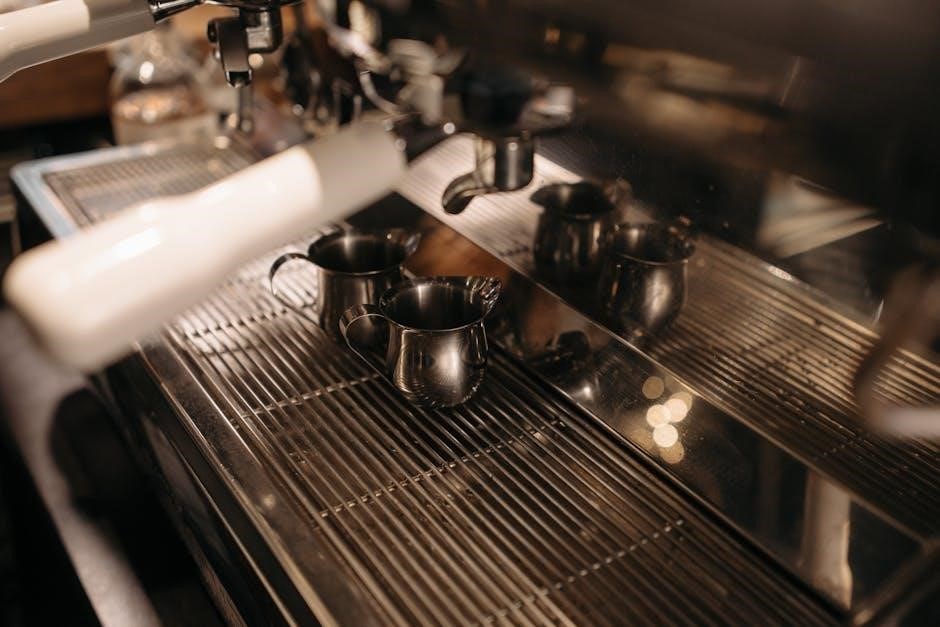
Beyond beverages, many coffee shops offer a selection of food items to complement their drinks. This necessitates a range of food service equipment to ensure efficient preparation, storage, and presentation. Investing in quality food service tools can significantly boost revenue and customer satisfaction.
Consider the scope of your food menu when selecting equipment. Simple pastry displays require less than a full kitchen setup for sandwiches and light meals. Prioritize equipment that aligns with your menu and anticipated volume. Proper food storage is paramount, requiring reliable refrigeration and potentially freezers.
Efficient ovens and toasters are essential for baked goods, while warming cabinets keep items at optimal serving temperatures. Don’t underestimate the importance of presentation; attractive display cases showcase your offerings and entice customers. Remember to factor in food safety regulations when choosing and maintaining your equipment.
3.1 Refrigeration Units: Keeping Ingredients Fresh
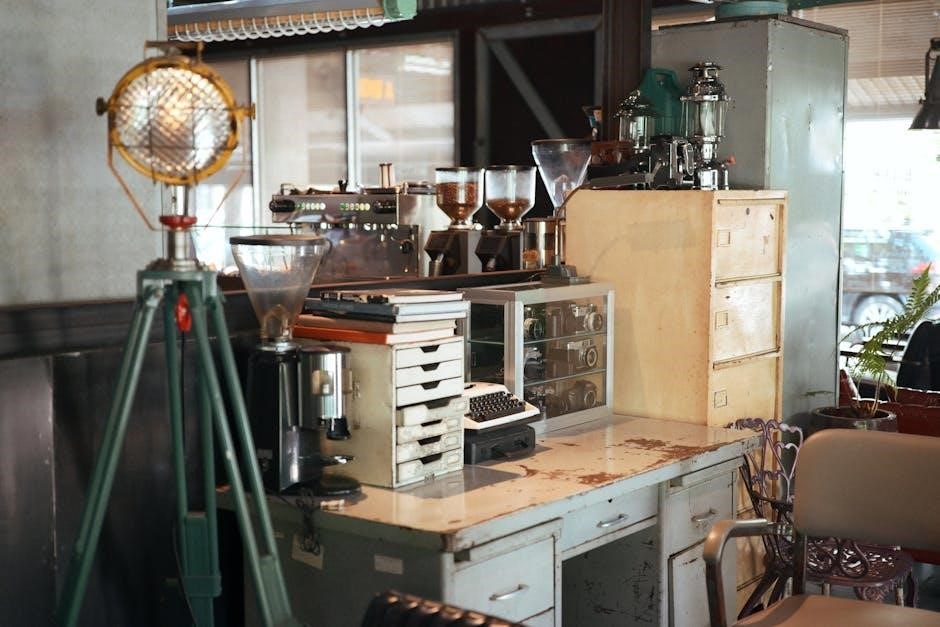
Maintaining ingredient freshness is paramount in a coffee shop, and reliable refrigeration is non-negotiable. From milk and cream to pastries and sandwich fillings, a variety of items require consistent cold storage to prevent spoilage and ensure food safety. Choosing the right refrigeration units depends on your menu and volume.
Reach-in refrigerators are a standard choice, offering ample space for general storage; Consider models with adjustable shelves for flexibility. Walk-in coolers are ideal for high-volume shops needing extensive storage capacity. Under-counter refrigerators provide convenient access for frequently used items directly at the point of preparation.
Don’t forget specialized refrigeration needs. A dedicated dairy refrigerator maintains optimal temperatures for milk and cream, preserving their quality for latte art and other beverages. Proper temperature monitoring and regular maintenance are crucial for ensuring consistent performance and preventing foodborne illnesses. Invest in energy-efficient models to reduce operating costs.
3.2 Ovens & Toasters: Pastries & Sandwiches
Offering freshly baked goods and toasted sandwiches significantly expands your coffee shop’s menu and appeal. Selecting the right ovens and toasters depends on your anticipated volume and the types of items you plan to serve. Convection ovens are versatile, providing even heat distribution for baking pastries, cookies, and even reheating sandwiches.
For high-volume toasting, a commercial toaster is essential. Choose a model with adjustable settings to accommodate different bread types and desired levels of browning. Countertop ovens are a good option for smaller shops or limited menus, offering a compact and affordable solution. Consider a panini press for creating delicious grilled sandwiches quickly and efficiently.
Remember to factor in power requirements and available space when choosing your equipment. Regular cleaning and maintenance are vital for ensuring optimal performance and preventing fire hazards. Investing in quality ovens and toasters will consistently deliver delicious, appealing food to your customers.
3.3 Display Cases: Showcasing Your Treats
Visually appealing displays are paramount in a coffee shop, enticing customers with tempting treats. Display cases aren’t just for storage; they’re a key marketing tool. Refrigerated display cases are essential for maintaining the freshness and quality of pastries, cakes, sandwiches, and other perishable items. Choose cases with adjustable temperature controls and bright, energy-efficient lighting to highlight your offerings.
Non-refrigerated display cases are perfect for showcasing muffins, scones, cookies, and other baked goods that don’t require chilling. Consider tiered displays to maximize space and create visual interest. Glass doors and shelves provide clear visibility, while mirrored backs can enhance the perceived abundance of your products.
Regular cleaning is crucial to maintain a hygienic and attractive presentation. Proper temperature control prevents spoilage and ensures food safety. Invest in display cases that complement your shop’s aesthetic and effectively showcase your delicious creations, boosting impulse purchases.
Point of Sale & Operational Equipment
Efficient operations rely heavily on a robust Point of Sale (POS) system and supporting equipment. This section details the essentials for smooth transactions and daily management. A modern POS system streamlines order taking, payment processing (including mobile payments), inventory tracking, and sales reporting. Cloud-based systems offer accessibility and data security.
Essential peripherals include a cash drawer for handling cash transactions and a receipt printer for providing customers with proof of purchase. Consider a customer-facing display to show order details and promote specials. Beyond transactions, operational efficiency is key.
An ice machine is vital for iced coffee, blended drinks, and other cold beverages. Sufficient ice capacity is crucial during peak hours. Don’t overlook office supplies like pens, paper, and staplers for administrative tasks. Investing in reliable POS and operational equipment minimizes errors, improves customer service, and optimizes your coffee shop’s workflow.
4.1 POS System: Order Taking & Payment Processing
The Point of Sale (POS) system is the central nervous system of your coffee shop, handling all transactions and crucial data. Choosing the right system is paramount. Look for features like a user-friendly interface for quick order entry, customizable menus to reflect your offerings, and robust reporting capabilities to analyze sales trends.
Modern POS systems should seamlessly integrate with various payment methods – credit cards, debit cards, mobile payments (Apple Pay, Google Pay), and even loyalty programs. Cloud-based POS solutions offer advantages like remote access, automatic software updates, and enhanced data security.
Consider features like table management for dine-in service, kitchen display systems (KDS) to streamline order fulfillment, and employee management tools for scheduling and tracking hours. Integration with accounting software is also beneficial. A well-chosen POS system boosts efficiency, reduces errors, and provides valuable insights to optimize your coffee shop’s performance.
4.2 Cash Drawers & Receipt Printers: Handling Transactions
While digital payments are increasingly popular, cash remains a common tender. Reliable cash drawers are essential for secure and organized cash handling. Opt for drawers with multiple compartments for different denominations, and consider a heavy-duty build for durability in a busy environment.
Receipt printers are equally vital, providing customers with a record of their purchase. Thermal printers are a popular choice due to their speed, quiet operation, and lack of ink requirements. Ensure the printer is compatible with your POS system for seamless integration.
Consider features like automatic cutter functionality for clean receipt separation and the ability to print logos or promotional messages. Having backup receipt paper readily available is crucial to avoid disruptions during peak hours. Proper maintenance, including regular cleaning, will extend the lifespan of both cash drawers and receipt printers, ensuring smooth transaction processing.
4.3 Ice Machine: Essential for Iced Beverages
Iced coffee, blended drinks, and iced tea are staples in most coffee shops, making a reliable ice machine indispensable. Consider your anticipated ice demand when selecting a unit; a small countertop model might suffice for low volume, while a larger, freestanding machine is necessary for high-volume operations.
Types of ice machines include cube, nugget, and flake ice makers. Cube ice is ideal for general use, nugget ice is perfect for blended drinks, and flake ice is best for displays.
Regular cleaning and maintenance are crucial to prevent scale buildup and ensure sanitary ice production. Look for models with automatic cleaning cycles. Proper installation, including adequate water supply and drainage, is also essential. Don’t forget to factor in the machine’s energy consumption and water usage when making your decision. A consistent ice supply prevents frustrating delays and keeps customers happy!
Cleaning & Maintenance
Maintaining a spotless coffee shop isn’t just about appearances; it’s vital for health, hygiene, and equipment longevity. A dedicated cleaning schedule and the right supplies are non-negotiable. Regular cleaning prevents buildup that can affect beverage taste and machine performance.
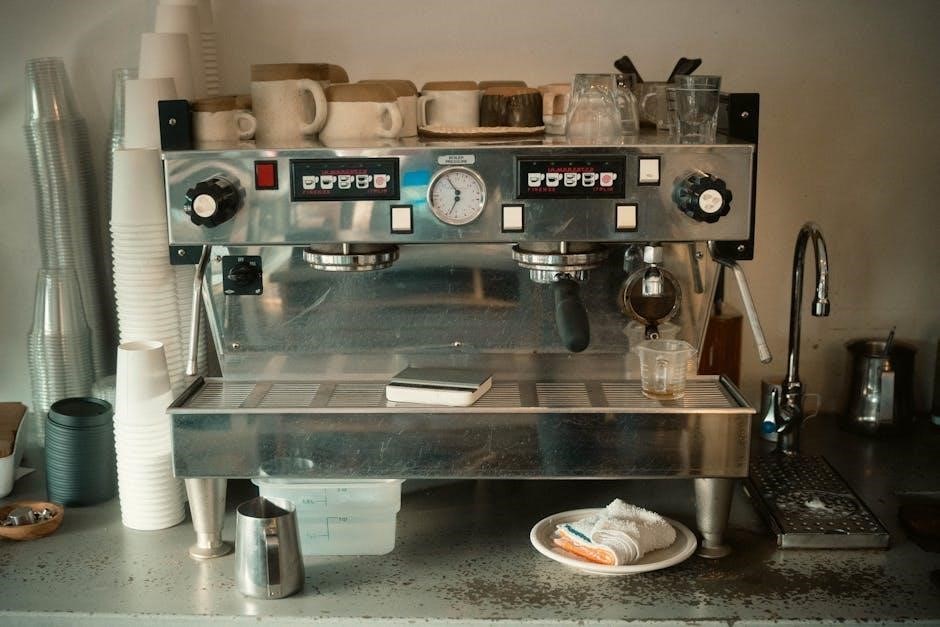
Beyond daily tasks like wiping counters and washing dishes, deep cleaning of espresso machines, grinders, and brewing equipment is essential. This includes descaling, backflushing, and thorough sanitation. Investing in commercial-grade cleaning solutions specifically designed for coffee equipment is crucial – avoid harsh chemicals that could damage sensitive components.
A robust water filtration system isn’t just about taste; it protects your equipment from mineral deposits. Proper ventilation and floor care also contribute to a clean and safe environment. Don’t underestimate the importance of staff training on cleaning protocols. A clean shop fosters customer trust and a positive work environment!
5.1 Dishwashers: Maintaining Hygiene
A commercial dishwasher is an absolute necessity for any coffee shop, ensuring rapid and sanitary cleaning of cups, saucers, and other essential tableware. Handwashing simply can’t keep up with peak demand and doesn’t guarantee the same level of hygiene.
Consider your shop’s volume when selecting a dishwasher. Options range from undercounter models suitable for smaller spaces to larger, conveyor-belt dishwashers for high-throughput operations. Look for features like high-temperature sanitization cycles and efficient water usage. Energy Star certified models can help reduce operating costs.
Proper dishwasher maintenance is key; Regular cleaning of the machine itself, including spray arms and filters, prevents buildup and ensures optimal performance. Stocking appropriate detergents and rinse aids is also vital. A reliable dishwasher isn’t just about clean dishes; it’s about protecting your customers’ health and maintaining a smooth workflow!
5.2 Cleaning Supplies & Tools: Daily Upkeep
Maintaining a spotless coffee shop requires a comprehensive arsenal of cleaning supplies and tools, going far beyond just dish soap. Daily cleaning is paramount for hygiene, customer perception, and equipment longevity.
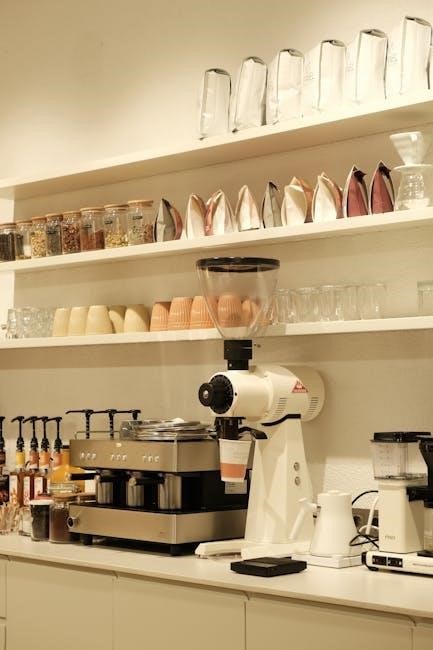
Essential supplies include commercial-grade degreasers for tackling coffee and milk residue, stainless steel cleaners for surfaces, floor cleaners suitable for your flooring type, and sanitizing solutions for food contact areas. Don’t forget specialized espresso machine cleaning powders and brushes!
Necessary tools encompass microfiber cloths (to avoid scratching), scrub brushes of varying sizes, mops and buckets, a vacuum cleaner (preferably a commercial model), and potentially a steam cleaner for deep cleaning. A well-stocked cleaning station, easily accessible to staff, encourages consistent upkeep. Implementing a cleaning schedule and training staff on proper procedures are equally crucial for a consistently clean and inviting environment.
5.3 Water Filtration System: Improving Coffee Quality
Often overlooked, a high-quality water filtration system is arguably one of the most vital investments for any coffee shop. Water constitutes over 98% of a brewed coffee, meaning its quality directly impacts the final taste profile.
Tap water, even if seemingly clean, contains minerals, chlorine, and other impurities that can negatively affect coffee extraction, leading to bitter or muted flavors. A filtration system removes these unwanted elements, allowing the coffee’s true characteristics to shine.
Options range from simple carbon filters to more advanced multi-stage systems incorporating sediment filters, scale inhibitors, and reverse osmosis. Consider your local water quality and brewing equipment when selecting a system. Regular filter replacement is crucial for maintaining effectiveness. Investing in water filtration isn’t just about taste; it also protects your expensive equipment from scale buildup and extends its lifespan, ultimately saving you money.
Leave a Reply