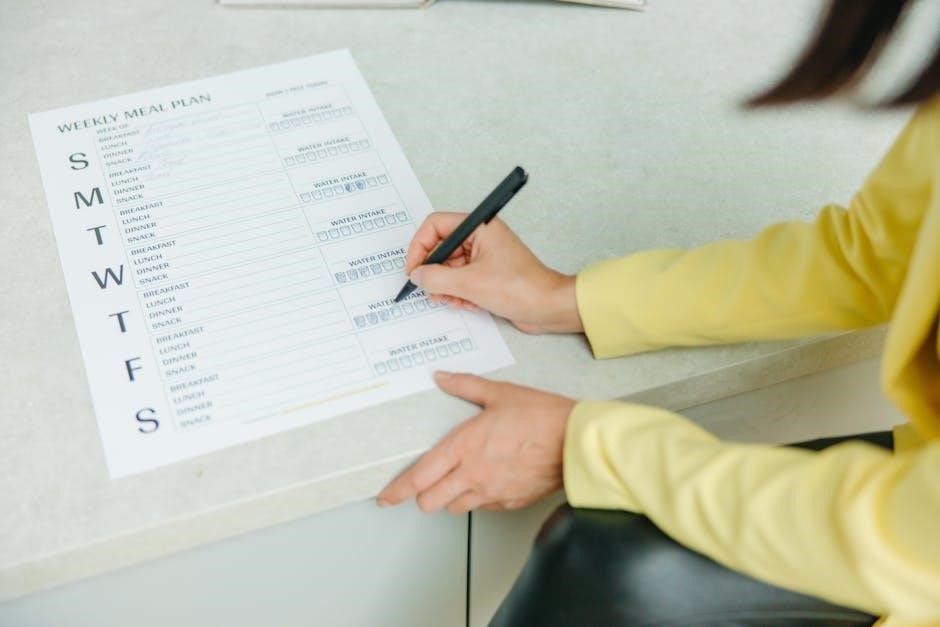
Pancreatitis Diet Plan: A Comprehensive Guide (Updated March 24, 2026)
Today, March 24, 2026, access vital resources! The AHA’s statement on hypertriglyceridemia impacts pancreatitis management; explore downloadable pancreatitis diet plan PDFs for tailored guidance.
Understanding Pancreatitis & Dietary Impact
Pancreatitis, an inflammation of the pancreas, significantly intertwines with dietary choices. The pancreas, crucial for digestion, produces enzymes to break down fats, proteins, and carbohydrates. When inflamed, these enzymes can prematurely activate within the pancreas, causing self-digestion and substantial pain.
Diet plays a pivotal role in both triggering and managing pancreatitis. High-fat diets are notorious culprits, stimulating excessive pancreatic enzyme secretion and exacerbating inflammation. Conversely, a carefully constructed diet can reduce pancreatic workload, allowing it to rest and heal.
Accessing a comprehensive pancreatitis diet plan PDF is a vital first step. These resources, often provided by medical institutions or registered dietitians, outline specific food recommendations and restrictions. They typically emphasize low-fat options, adequate protein intake, and complex carbohydrates. Understanding the connection between food and pancreatic function empowers patients to actively participate in their recovery and long-term health. The AHA’s recent statement on hypertriglyceridemia highlights the importance of managing blood fat levels, further emphasizing the dietary link.
Acute vs. Chronic Pancreatitis: Dietary Differences

Acute pancreatitis, a sudden inflammation, demands a drastically different dietary approach than chronic pancreatitis. During an acute flare-up, the primary goal is complete pancreatic rest. This typically involves a clear liquid diet, progressing to low-fat, easily digestible foods as symptoms subside. A pancreatitis diet plan PDF for acute cases will emphasize minimal oral intake initially, potentially utilizing intravenous nutrition.
Chronic pancreatitis, however, requires a long-term dietary strategy. Due to potential pancreatic insufficiency – a reduced ability to produce digestive enzymes – the focus shifts to managing malabsorption and maintaining nutritional status. While low-fat remains crucial, adequate protein and calorie intake become paramount.
A pancreatitis diet plan PDF tailored for chronic conditions will often include guidance on enzyme replacement therapy and strategies to address specific nutrient deficiencies. The AHA’s insights on hypertriglyceridemia are particularly relevant in chronic cases, as elevated triglycerides can contribute to ongoing inflammation. Understanding these distinctions is key to effective dietary management.
Key Dietary Goals for Pancreatitis Management
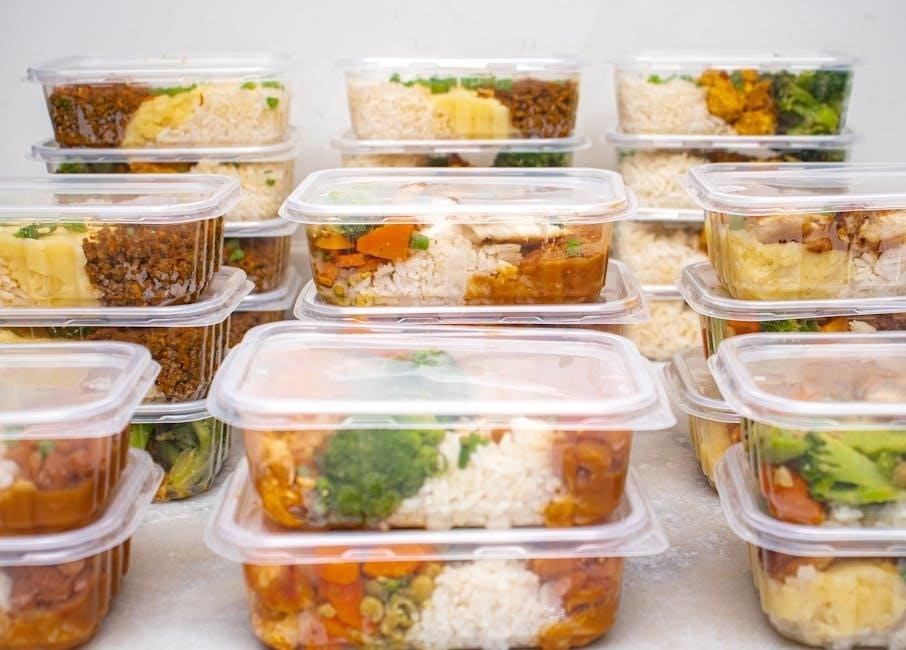
The cornerstone of managing pancreatitis through diet revolves around minimizing pancreatic stimulation and ensuring adequate nutrition. A primary goal is reducing fat intake, as fat digestion places a significant burden on the pancreas. Utilizing a detailed pancreatitis diet plan PDF can help achieve this effectively.
Maintaining sufficient protein intake is also vital, despite the need for a low-fat approach. Protein supports tissue repair and overall health, but should be consumed in moderate portions. Calorie intake must be adequate to prevent malnutrition, especially in chronic cases.
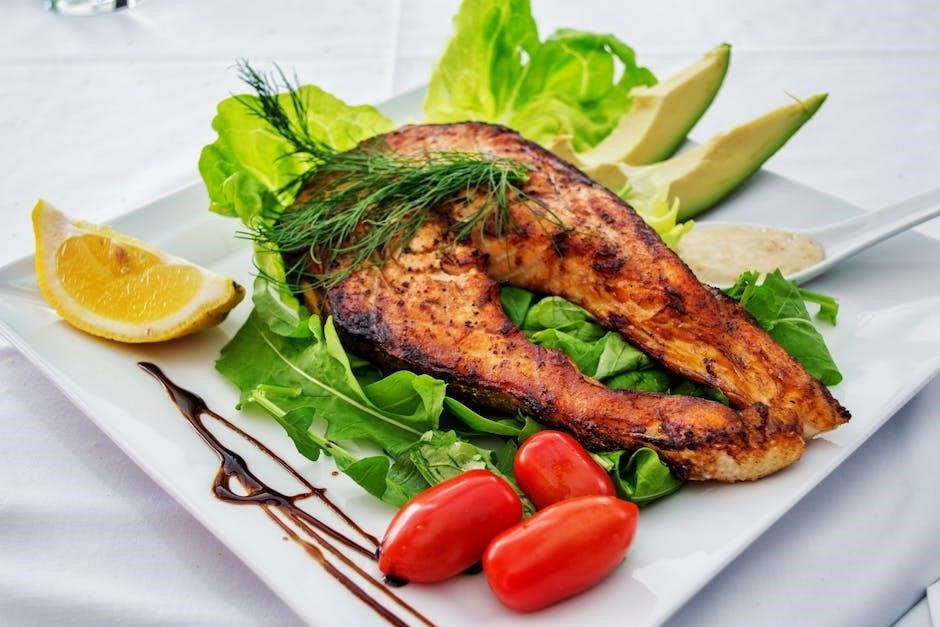
Furthermore, addressing potential nutrient deficiencies, particularly fat-soluble vitamins (A, D, E, K), is crucial. The AHA’s recent statement on hypertriglyceridemia highlights the importance of managing lipid levels to reduce pancreatic stress. A well-structured pancreatitis diet plan PDF will incorporate these goals, offering practical guidance for long-term health and symptom control.
Foods to Absolutely Avoid During a Pancreatitis Flare-Up
During an acute pancreatitis flare-up, strict dietary restrictions are paramount to allow the pancreas to rest and recover. High-fat foods are the primary culprits and must be completely eliminated. This includes fried foods, fatty meats (bacon, sausage, red meat), full-fat dairy products, and rich sauces.
Alcohol is an absolute no-go, as it’s a major trigger for pancreatitis. Sugary drinks and processed foods should also be avoided due to their potential to exacerbate inflammation. A comprehensive pancreatitis diet plan PDF will clearly outline these prohibited items.
Furthermore, spicy foods can irritate the digestive system, worsening symptoms. Caffeine intake should be limited. Following a clear list, often found within a pancreatitis diet plan PDF, ensures adherence and supports optimal healing. Remember, temporary restriction is key to long-term pancreatic health.
Low-Fat Diet: The Cornerstone of Pancreatitis Nutrition
A low-fat diet isn’t merely recommended for pancreatitis; it’s the foundational principle of nutritional management. The pancreas produces enzymes to digest fats, and reducing fat intake significantly lessens its workload, allowing it to heal. Aim for a diet containing less than 30% of calories from fat, and ideally, even lower during flare-ups.
Focus on lean protein sources like skinless poultry, fish, and beans. Choose low-fat dairy alternatives and incorporate plenty of fruits and vegetables. A detailed pancreatitis diet plan PDF will provide specific serving sizes and food choices to help you achieve this goal.
Understanding hidden fats in processed foods is crucial. Many seemingly innocuous items contain surprisingly high fat content. Consulting a pancreatitis diet plan PDF and carefully reading food labels are essential steps towards successful dietary adherence and improved pancreatic function.
Protein Intake: Balancing Needs & Pancreatic Stress

Adequate protein is vital for tissue repair and overall health, but excessive intake can burden the pancreas. The key is finding a balance – enough protein to support healing, without overstimulating enzyme production. Generally, 1.2-1.5 grams of protein per kilogram of body weight is a reasonable target, adjusted based on individual needs and disease severity.
Prioritize easily digestible protein sources like fish, poultry (skinless), tofu, and eggs. Red meat and fried foods should be limited. A comprehensive pancreatitis diet plan PDF will outline appropriate protein portion sizes and suggest optimal meal timing to minimize pancreatic stress.
Remember, individual tolerance varies. Monitoring symptoms after protein consumption is crucial. A well-structured pancreatitis diet plan PDF often includes guidance on how to adjust protein intake based on personal response and disease progression, ensuring optimal nutritional support.
Carbohydrate Choices: Prioritizing Complex Carbs
Carbohydrates should form the bulk of your caloric intake when managing pancreatitis, but the type of carbohydrate matters significantly. Focus on complex carbohydrates – those rich in fiber and nutrients – as they are digested more slowly, leading to a gentler impact on pancreatic enzyme secretion. Excellent choices include whole grains (brown rice, quinoa, oats), fruits, and non-starchy vegetables.
Limit refined carbohydrates like white bread, pastries, sugary drinks, and processed foods. These cause rapid blood sugar spikes and can exacerbate pancreatic inflammation. A detailed pancreatitis diet plan PDF will provide a comprehensive list of approved carbohydrate sources and recommended serving sizes.
A well-designed pancreatitis diet plan PDF will also emphasize the importance of consistent carbohydrate intake throughout the day to maintain stable blood sugar levels and minimize pancreatic workload, promoting better overall health and symptom management.
Fat Intake: Types of Fats & Recommended Limits
Managing fat intake is paramount in a pancreatitis diet. The pancreas relies on fats to secrete enzymes, so excessive fat consumption can trigger inflammation and pain. A low-fat diet doesn’t mean no fat, but rather prioritizing healthy fats and strictly limiting overall intake.
Avoid saturated and trans fats found in fried foods, fatty meats, and processed snacks. Opt for small amounts of unsaturated fats like those in avocados, olive oil, and fatty fish (salmon, mackerel) – these are easier to digest. A comprehensive pancreatitis diet plan PDF will outline specific fat gram limits per meal.
Many pancreatitis diet plan PDFs recommend keeping daily fat intake below 30% of total calories, and often even lower during acute flare-ups. Careful label reading and portion control are crucial. Remember, even “healthy” fats should be consumed in moderation to support pancreatic recovery and minimize discomfort.
Hydration Strategies for Pancreatitis Patients
Adequate hydration is critically important when managing pancreatitis, often overlooked in standard pancreatitis diet plan PDFs. Pancreatitis, and especially its treatment, can lead to dehydration due to vomiting, diarrhea, and reduced oral intake. Dehydration thickens pancreatic secretions, exacerbating inflammation and potentially worsening pain.
Aim for at least eight 8-ounce glasses of water daily, and increase intake during flare-ups. Clear liquids like broth, herbal teas, and electrolyte solutions are excellent choices. Avoid sugary drinks, alcohol, and caffeinated beverages, as these can further dehydrate you.
A well-structured pancreatitis diet plan PDF should emphasize consistent fluid intake throughout the day, not just when thirsty. Monitoring urine color – aiming for pale yellow – is a simple way to assess hydration status. Severe dehydration may require intravenous fluids administered in a hospital setting, highlighting the importance of proactive hydration.
Vitamin & Mineral Considerations (Especially Fat-Soluble Vitamins)
Pancreatitis can significantly impair nutrient absorption, particularly of fat-soluble vitamins (A, D, E, and K). This is because the pancreas plays a crucial role in producing enzymes needed to digest fats, and therefore absorb these vitamins. A comprehensive pancreatitis diet plan PDF must address these deficiencies.
Malabsorption can lead to deficiencies even with a seemingly adequate diet. Supplementation may be necessary, but should be guided by a healthcare professional and blood tests. Vitamin D deficiency is common, impacting bone health. Vitamin A is vital for immune function, and Vitamin K is essential for blood clotting.
Carefully review any pancreatitis diet plan PDF for guidance on supplementation. Consider enzyme replacement therapy to improve fat digestion and nutrient absorption. Focus on incorporating foods rich in these vitamins when tolerated, but recognize supplementation may be crucial for maintaining optimal health during and after pancreatitis.
Sample Meal Plan for Acute Pancreatitis (Initial Phase)
During the initial phase of acute pancreatitis, the goal is to rest the pancreas. A clear liquid diet is typically recommended, progressing slowly as tolerated. A detailed pancreatitis diet plan PDF will outline this progression. Begin with clear broths, gelatin, and clear juices (apple, cranberry).
Avoid all solid foods, dairy, and fats. Hydration is paramount – sip water frequently. As pain subsides, introduce bland, easily digestible foods like plain toast, crackers, and boiled rice. Portion sizes should be small and frequent.

A sample day might include: Breakfast – clear broth; Lunch – gelatin; Dinner – a few saltine crackers. Always consult a pancreatitis diet plan PDF or healthcare provider before introducing new foods. This initial phase is temporary, lasting only until inflammation decreases, paving the way for a more substantial diet.
Sample Meal Plan for Chronic Pancreatitis (Maintenance Phase)
The maintenance phase focuses on a long-term, low-fat diet to minimize pancreatic stimulation. A comprehensive pancreatitis diet plan PDF is crucial for sustained management. Meals should be frequent, small, and consistently low in fat – ideally under 30 grams per day. Prioritize lean protein sources like skinless poultry, fish, and tofu.
Complex carbohydrates – whole grains, fruits, and vegetables – should form the bulk of your diet. Avoid fried foods, processed snacks, and high-sugar items. A sample day could include: Breakfast – oatmeal with berries; Lunch – grilled chicken salad with a light vinaigrette; Dinner – baked fish with steamed vegetables and brown rice.
Refer to a detailed pancreatitis diet plan PDF for specific portion sizes and food substitutions. Consistent adherence to this dietary pattern, alongside enzyme replacement therapy if prescribed, is key to managing symptoms and improving quality of life.
The Role of Enzyme Replacement Therapy & Diet
Enzyme Replacement Therapy (ERT) and diet work synergistically in managing pancreatic insufficiency, a common consequence of chronic pancreatitis. A well-structured pancreatitis diet plan PDF is foundational, but often insufficient alone. ERT supplements the pancreas’s diminished ability to produce digestive enzymes, specifically lipases, proteases, and amylases.
Dietary fat intake must be carefully monitored, even with ERT, as excessive fat can overwhelm the system. The pancreatitis diet plan PDF should detail appropriate fat limits – typically under 30% of daily calories. ERT dosage is individualized, adjusted based on symptom control and stool analysis.
Combining a low-fat diet, guided by a pancreatitis diet plan PDF, with appropriate ERT allows for improved nutrient absorption, reduced abdominal pain, and enhanced overall well-being. Regular consultation with a gastroenterologist and registered dietitian is essential for optimal management.
Managing Nausea & Vomiting with Dietary Adjustments
Nausea and vomiting are distressing symptoms frequently experienced during pancreatitis flare-ups. A carefully planned pancreatitis diet plan PDF can significantly mitigate these issues. Initially, a clear liquid diet is crucial, progressing slowly to easily digestible foods as tolerance improves. Small, frequent meals are preferable to large ones, reducing the burden on the pancreas.
Avoid strong odors and overly rich, fatty, or spicy foods, as these can exacerbate nausea. The pancreatitis diet plan PDF should emphasize bland options like toast, crackers, and plain yogurt. Ginger, in the form of ginger ale or tea, may offer relief, but check for added sugar content.
Proper hydration is paramount, especially with vomiting. Sip clear fluids throughout the day. A detailed pancreatitis diet plan PDF will outline appropriate fluid choices and portion sizes, helping to manage symptoms and support recovery;
Alcohol & Pancreatitis: A Strict Avoidance Policy
For individuals with pancreatitis, complete abstinence from alcohol is non-negotiable. Alcohol is a major contributor to both acute and chronic pancreatitis, significantly worsening inflammation and hindering recovery. A comprehensive pancreatitis diet plan PDF will unequivocally state zero alcohol tolerance.
Even moderate alcohol consumption can trigger flare-ups and long-term pancreatic damage. The pancreatitis diet plan PDF should emphasize the importance of seeking support if struggling with alcohol dependence. Resources for addiction support should be readily available alongside dietary guidelines.
Hidden sources of alcohol, such as certain mouthwashes and cough syrups, must also be avoided. Strict adherence to this policy, detailed within the pancreatitis diet plan PDF, is vital for managing the condition and preventing further complications. Prioritizing pancreatic health necessitates a lifelong commitment to alcohol avoidance.
Resources for Pancreatitis Diet Plans & Support (PDF Downloads)
Accessing reliable information is crucial. Several organizations offer downloadable pancreatitis diet plan PDFs and support materials. The National Pancreas Foundation (NPF) provides comprehensive guides tailored to acute and chronic conditions, available on their website as free pancreatitis diet plan PDFs.
The American College of Gastroenterology (ACG) also features patient resources, including dietary recommendations often presented in accessible pancreatitis diet plan PDF formats. These resources detail food lists, sample meal plans, and cooking tips.
Furthermore, many hospitals and clinics offer customized pancreatitis diet plan PDFs created by registered dietitians. Searching online for “pancreatitis diet PDF” yields numerous options, but always verify the source’s credibility. Support groups and online forums can also provide valuable peer-to-peer advice and links to helpful pancreatitis diet plan PDFs.
Leave a Reply